

A Simple Guide to Indoor Nature Wellness
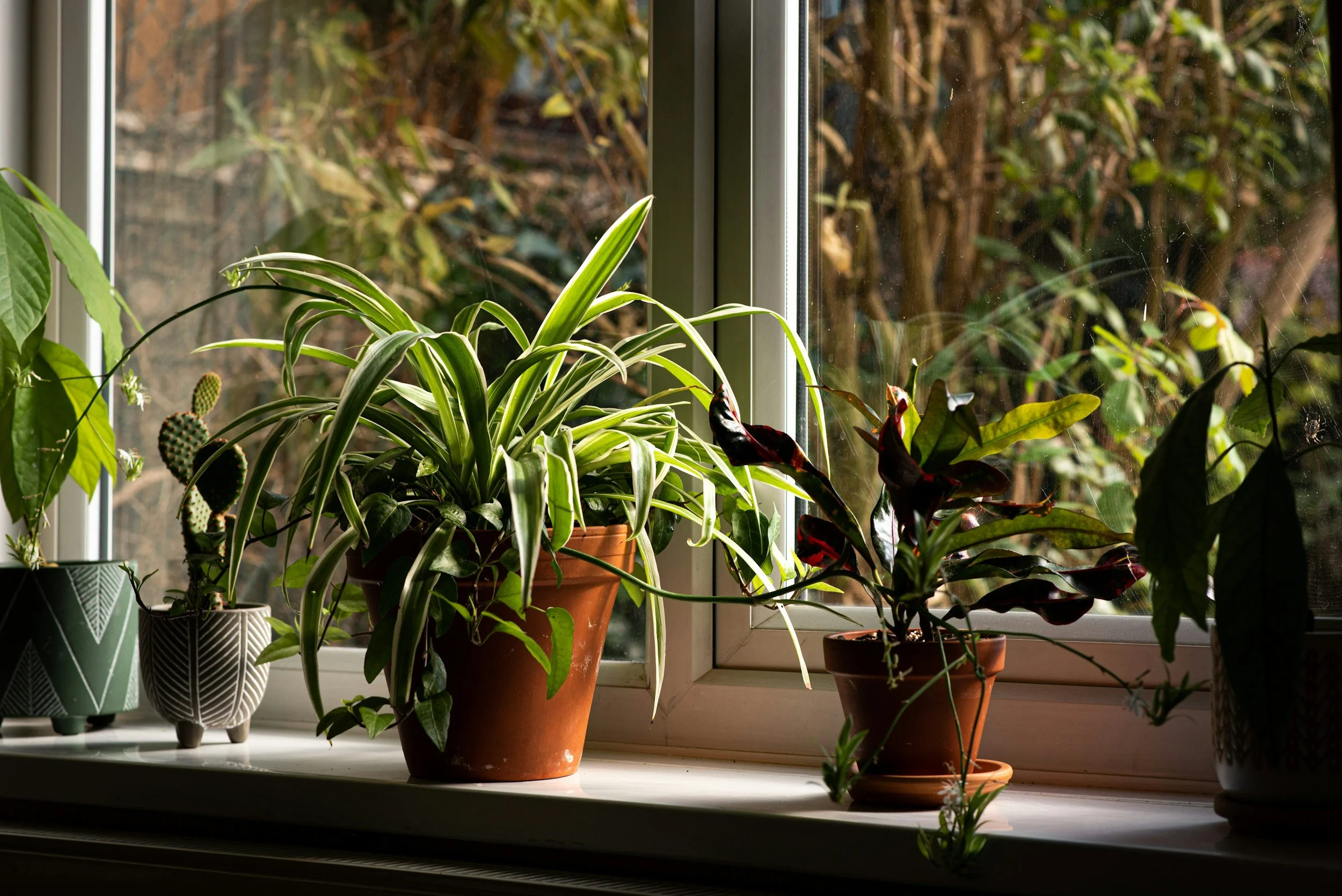
Let's be honest: some days, getting outside just isn't happening.
Maybe it's the relentless winter rain hammering against the window. Maybe you're recovering from an injury, and your usual woodland walk is off the table for now. Or perhaps you're deep in back-to-back meetings, with your nearest green space feeling like a distant fantasy rather than a lunchtime option.
And sometimes it’s not even the weather or your schedule, it’s the tech stress. Eyes feeling tired from screens. A brain that feels like a browser with too many tabs open. That “tired but wired” sensation at the end of the day when you’re exhausted… but somehow still buzzing. Sound familiar? That’s exactly how I used to feel, and it’s why I’m so passionate about what we do here.
But here's the thing, your nervous system doesn't stop craving nature just because your circumstances have temporarily changed. Your body still needs that grounding, restorative connection. And the good news? You can bring a surprising amount of that healing indoors, without needing wellies, a car, or even full mobility.
This isn't about replacing actual time in the forest (we'll get you back out there when you're ready). It's about giving yourself a bridge. A way to keep your nervous system regulated, your stress levels manageable, and your wellbeing intact, even when the outside world feels out of reach.
Why Indoor Nature Actually Matters
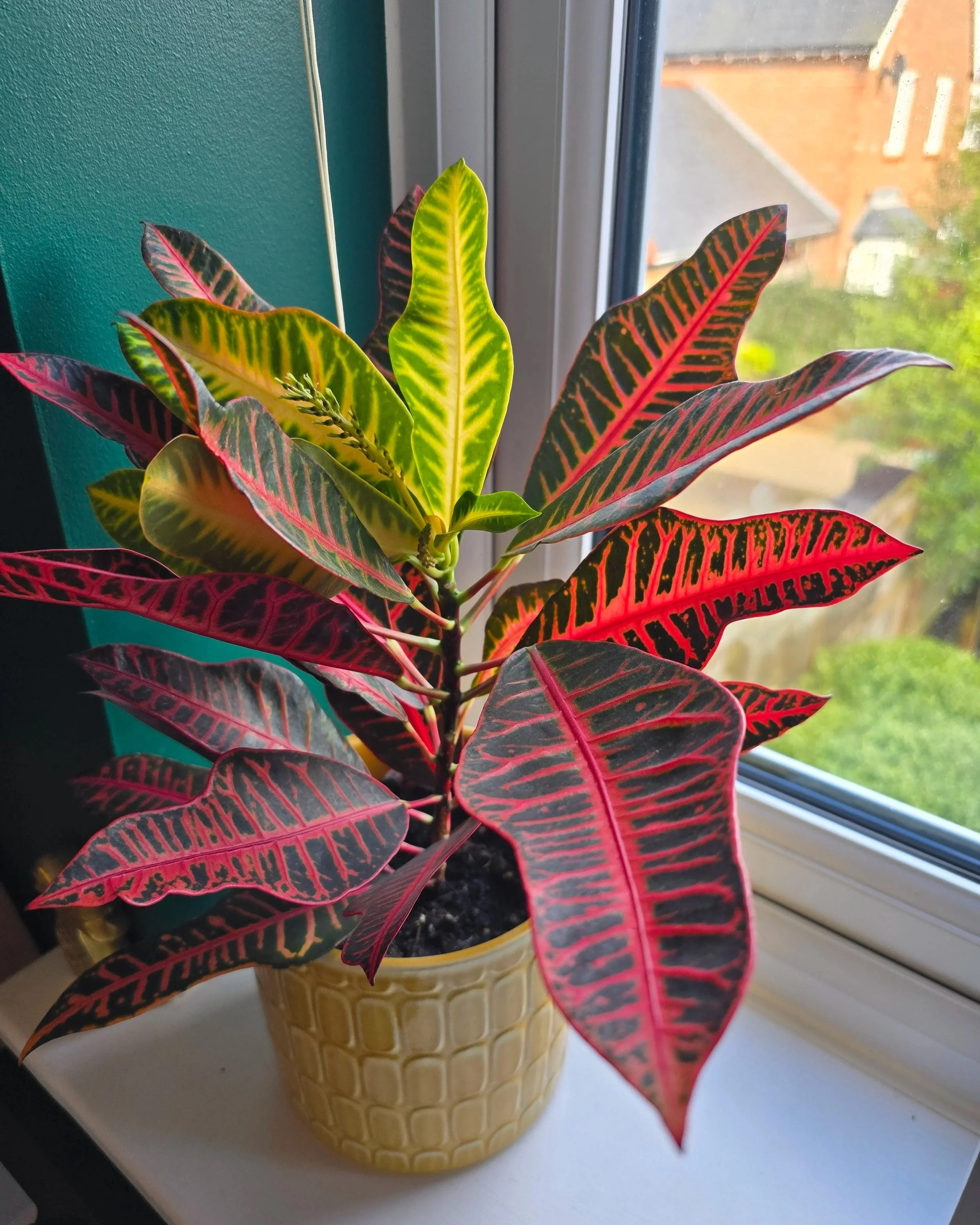
We spend roughly 90% of our lives indoors.
That's not a judgment, it's just modern life. But our brains and bodies haven't evolved to thrive in entirely artificial environments. We're wired for birdsong, dappled light, the scent of rain on soil, the sight of leaves moving in the breeze.
When we're cut off from those sensory experiences for too long, we feel it. The tech fatigue sets in. The nervous system stays stuck in "on" mode. Sleep suffers. Creativity flatlines. That low-level hum of stress becomes the baseline we forget isn't normal.
But even small, intentional doses of indoor nature can shift that. Research shows that just 20 minutes in a space that evokes natural elements can lower cortisol (your body's primary stress hormone) by up to 21%. Spaces designed with natural elements are 34% more likely to improve mood. Cognitive performance can increase by 15%, and creativity, often the first casualty of chronic stress, can jump by as much as 50%.
Your nervous system doesn't need perfection. It just needs consistent, gentle reminders that you're safe, grounded, and connected.
The Science That Changed Everything: The Window Study
Back in 1984, a researcher named Roger Ulrich conducted a study that would fundamentally change how we understand the relationship between nature and healing. He looked at surgical patients recovering in a Pennsylvania hospital, specifically, patients who'd had the same procedure, under the same conditions, with the same level of care.
The only difference? Half of them had hospital rooms with a view of trees. The other half looked out onto a brick wall.
The results were staggering. The patients with a view of trees recovered nearly a full day faster. They needed less pain medication. Their nurses noted fewer complications. All because of what they could see from their window.
This wasn't about "going for a walk." It wasn't about fresh air or physical movement. It was purely about the visual presence of nature, and the profound effect it had on the body's ability to heal.
That study opened the door to decades of research confirming what our ancestors intuitively knew: nature isn't a luxury. It's medicine.
Fractals: The Patterns Your Brain Craves
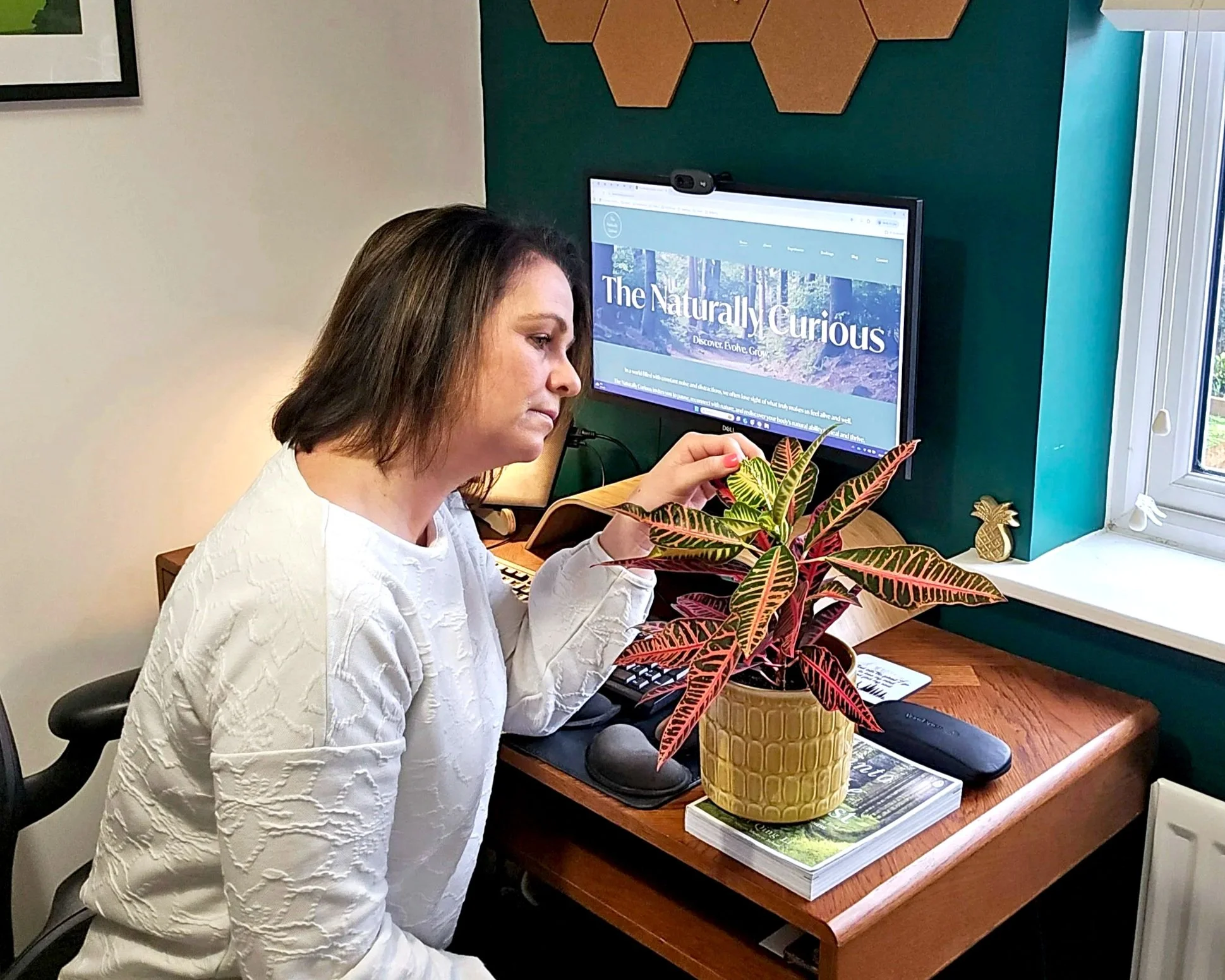
Here's something fascinating: your brain is hardwired to recognise and respond to fractals.
Fractals are those endlessly repeating patterns you see everywhere in nature, the branching of trees, the spirals in shells, the veins in a leaf, the ripples on water, and the structure of clouds. They're mathematically self-similar at every scale, and they're everywhere in the natural world.
Why does this matter? Because research shows that looking at fractals can reduce stress by up to 60%. Your brain doesn't have to "work" to process them in the same way it does with harsh angles, fluorescent lighting, or cluttered digital screens. Fractals are visually effortless. They allow your nervous system to settle.
This is why a simple houseplant, a piece of driftwood, or even a photograph of a forest can have such a disproportionately calming effect. You're not just looking at "something nice." You're giving your brain the visual information it evolved to process, and it responds by downregulating stress.
Your Low-Expense Indoor Nature Checklist
Right. Let's make this practical. Here are five simple, affordable ways to bring nature into your home or workspace, no major renovation or Instagram-worthy budget required.
1. Optimise Your Window View (Even One Tree Counts)
You don't need a sweeping countryside vista. Even a single tree visible from your desk or sofa can make a measurable difference.
What to do:
Rearrange your workspace so you're facing a window, if possible
Keep windows clean (sounds obvious, but it makes a difference)
If your view is truly bleak, consider adding pot plants to the windowsill or even a window-mounted birdfeeder to invite nature into your line of sight
Use sheer curtains instead of heavy blinds to let in maximum natural light
If you're in a windowless room or your view really is just a brick wall, don't despair; there are other ways in.
2. Create a "Nature Nook" with Plants
Houseplants aren't just decoration. They actively improve indoor air quality by filtering out toxins, and they give your brain those fractal patterns it craves.
A famous NASA study identified plants that are particularly effective at purifying air, and many of them are low-maintenance and inexpensive:

Budget-friendly plant recommendations:
Spider plants – Nearly indestructible, great for beginners, excellent air purifiers
Pothos (Devil's Ivy) – Thrives on neglect, trails beautifully
Snake plants – Releases oxygen at night, tolerates low light
Peace lilies – Elegant, low-light tolerant, remove mould spores
You don't need a jungle. Start with one or two plants in the spaces where you spend the most time, your desk, bedside table, or favourite reading chair. Tending to them, even in small ways, has been shown to reduce anxiety and boost mood.
3. Introduce Natural Textures
Smooth plastic, polished metal, flat screens, our indoor environments are often texturally monotonous. Adding organic materials reintroduces sensory variety that your nervous system registers as calming.
Easy swaps I introduced into my own home:
A wooden chopping board left on display in the kitchen rather than hidden away
Pinecones, pebbles, or shells collected on walks, dotted around the house in various little decorative bowls or basket containers (small and large)
Dried flowers or grasses in a simple vase
Linen or cotton textiles instead of synthetic fabrics
Plant pots in woven baskets, a jute rug at the back door, and a large vase full of corks collected over the years
These aren't big-ticket items. You're just layering in reminders of the natural world in small, tangible ways.
4. Use Nature Sounds or "Digital Nature"
Sometimes the visual is enough. Other times, sound makes all the difference.
There's solid research showing that nature soundscapes, rainfall, birdsong, rustling leaves, ocean waves, can lower heart rate and improve focus. If you're working from home or winding down in the evening, try running a nature sound playlist quietly in the background.
And yes, "digital nature" counts. A screensaver or digital frame showing slow-moving natural landscapes (forests, coastlines, mountains) can provide similar benefits to a physical window view. It's not a replacement for the real thing, but it's a bridge when you need one.
5. Scent and Aromatherapy

Scent is one of the most direct routes to the limbic system: the part of your brain that governs emotion and memory. Natural essential oils can evoke the feeling of being outdoors even when you're very much indoors.
Try these for an instant nature-indoors effect:
Pine or cedarwood – Grounding, reminiscent of woodland walks
Eucalyptus – Clarifying, fresh, opens the airways
Lavender – Calming, supports sleep
Rosemary – Energizing, improves focus
Use a diffuser, add a few drops to a bowl of hot water, or simply dab onto a tissue and keep nearby. The effect is immediate and surprisingly powerful.
When You're Ready: Come Back Outside
Indoor nature wellness is a tool. A really good one. But it's not the end goal.
If you've been stuck inside due to illness, injury, mobility challenges, fear of the weather, or just the sheer grind of modern life, this approach helps you stay connected to the rhythms and patterns that your body needs. It keeps the door open.
And when you're ready: when the rain eases, the energy returns, or the calendar finally has a gap: getting back outside will feel like coming home.
Whether it's a guided forest bathing session, a mindful walk, or even a gentle contrast therapy experience where cold water and sauna meet the sensory power of nature, there's something deeply restorative about being in it again, rather than just looking at it.
Your nervous system will remember. And it will thank you.
For now, though? Start small. One plant. One window view. One nature sound playlist while you work. These aren't compromises: they're acts of self-care that genuinely work.
And when you’re ready to take it beyond the living room or office building, that’s where nature therapy really comes alive, those restorative nature experiences that start simple and can go deeper when you want them to.
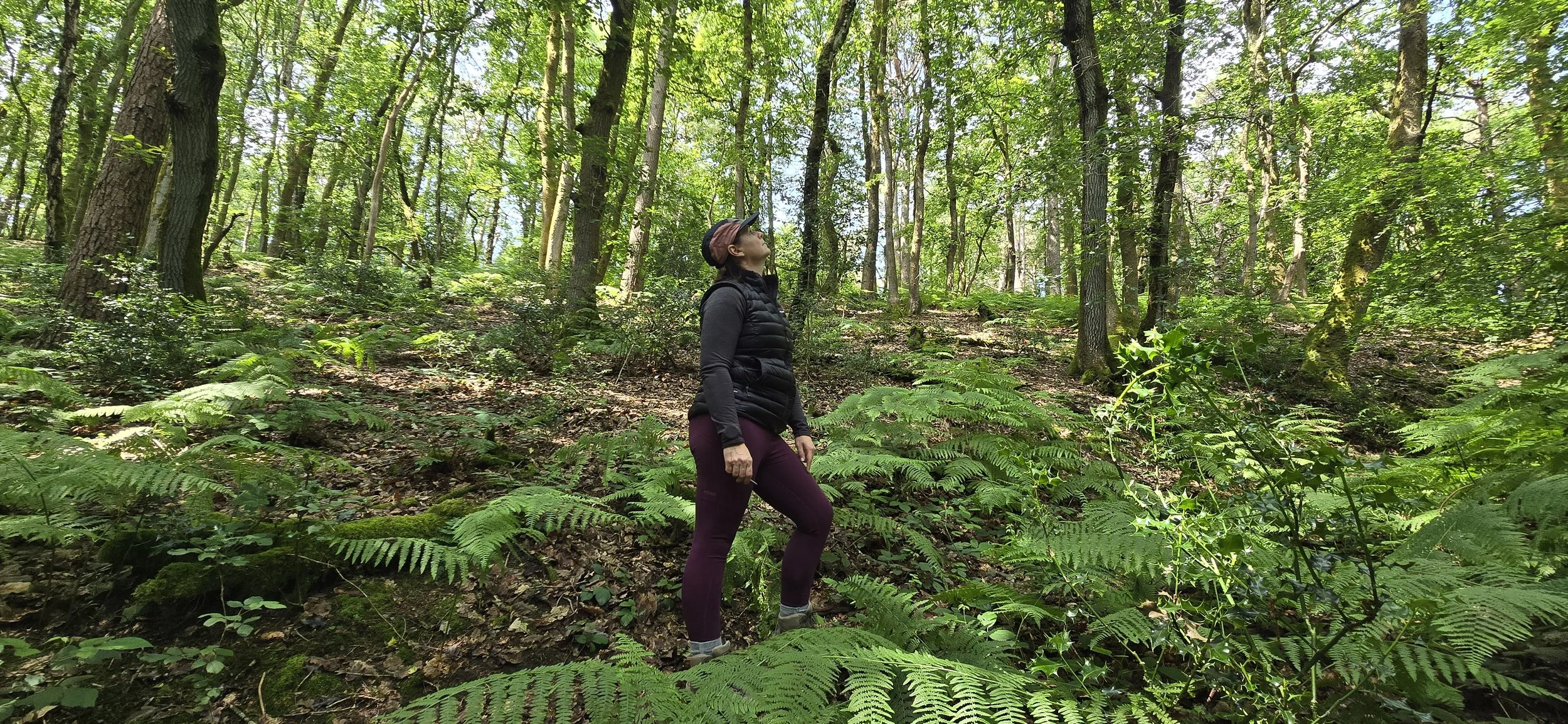
When you’re ready to start getting outside, and would like a little guidance along the way, join me on either one of my nature connection experiences or a deeper more immersive sauna or contrast therapy experiences.
