

Forest Bathing in Winter: Why It Matters and How to Practise in the Colder Months
When winter arrives and days are shorter, it’s natural for our bodies and minds to slow down. Energy shifts, motivation changes, and many of us feel drawn towards rest, stillness, and quieter rhythms. This seasonal slowing isn’t something to resist; it’s part of how bodies are designed to move through winter.
But slowing down doesn’t mean withdrawing completely.
In modern life, winter rest often turns into more time indoors, more screen time, and more mental stimulation, rather than the kind of rest that truly restores us. Forest Bathing offers a different approach.
Forest Bathing, a mindful nature connection practice for health and wellbeing, embraces the very qualities winter asks of us: slowness, simplicity, gentle movement, and quiet observation. Rather than pushing against the season, it works with it, supporting mental health, emotional balance, and overall wellbeing during the colder months.
And despite the name, Forest Bathing isn’t just for forests. It’s a way of being with nature that can be practised wherever natural elements are present; in local woodland, green spaces, parks, and even gardens. What matters isn’t how far you go or how long you stay, but how you arrive and how you pay attention.
Why Forest Bathing is Especially Valuable in Winter
Winter often brings subtle challenges, lower mood, mental fatigue, stress, or a sense of disconnection. While these experiences are common, they don’t mean we need to hibernate completely until spring.
Forest Bathing supports winter wellbeing because it:
encourages rest without stagnation
offers time outdoors without pressure to perform or achieve
supports the nervous system through calm, sensory awareness
helps us stay gently connected to nature, ourselves, and the season
Winter landscapes are quieter and less visually busy, making it easier to slow the mind, notice subtle details, and experience a sense of spaciousness that can be harder to access during busier times of year.
Forest Bathing Isn’t Just for Forests
Despite its name, Forest Bathing doesn’t require remote woodland or long walks. It’s a practice of mindful connection with nature, and it can be adapted to suit where you are and what feels accessible.
In woods or green spaces
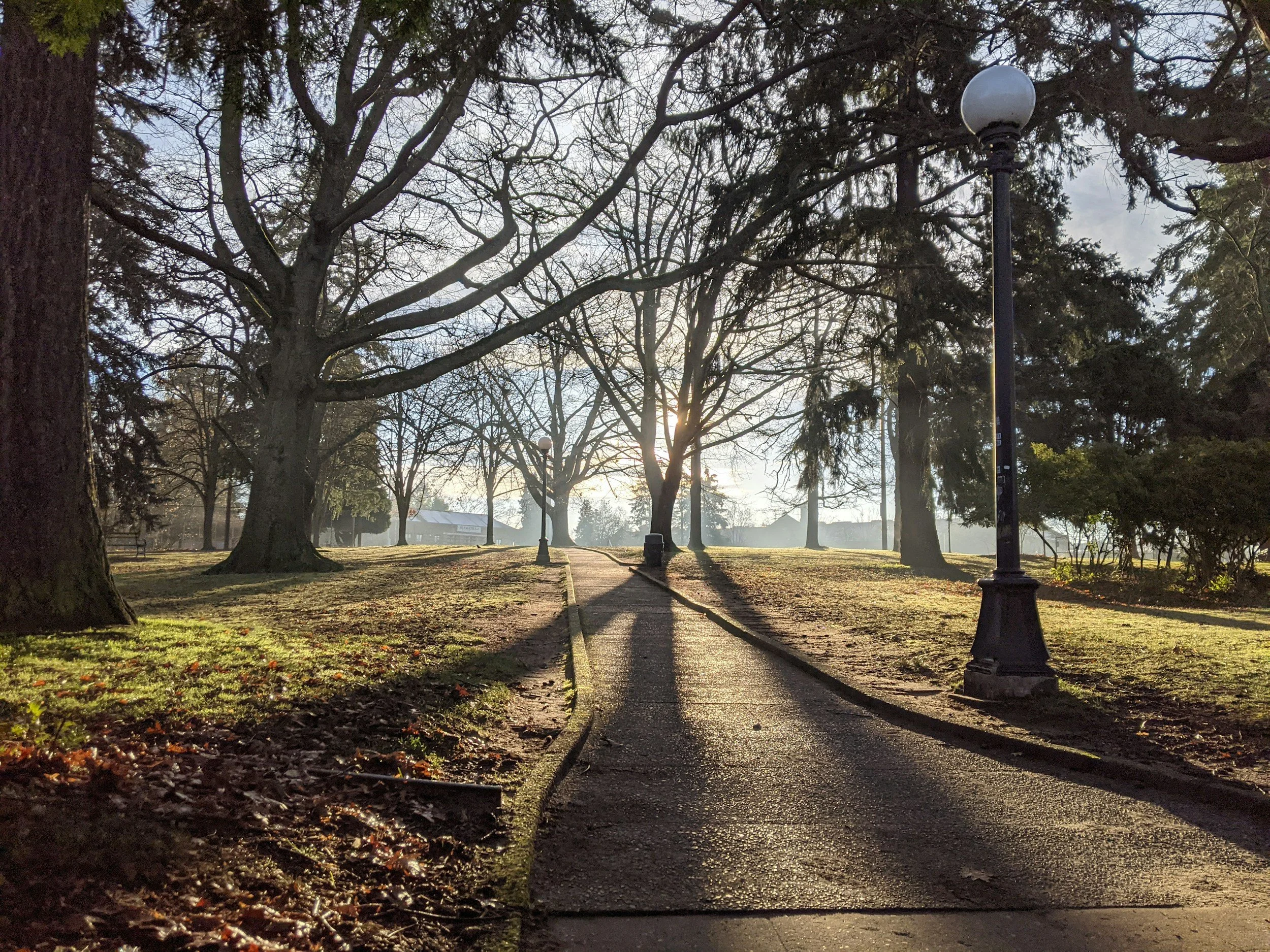
Winter woods offer stillness, openness, and subtle sensory experiences, the crunch of leaves underfoot, filtered light through bare branches, or the sound of wind moving through trees.
In gardens
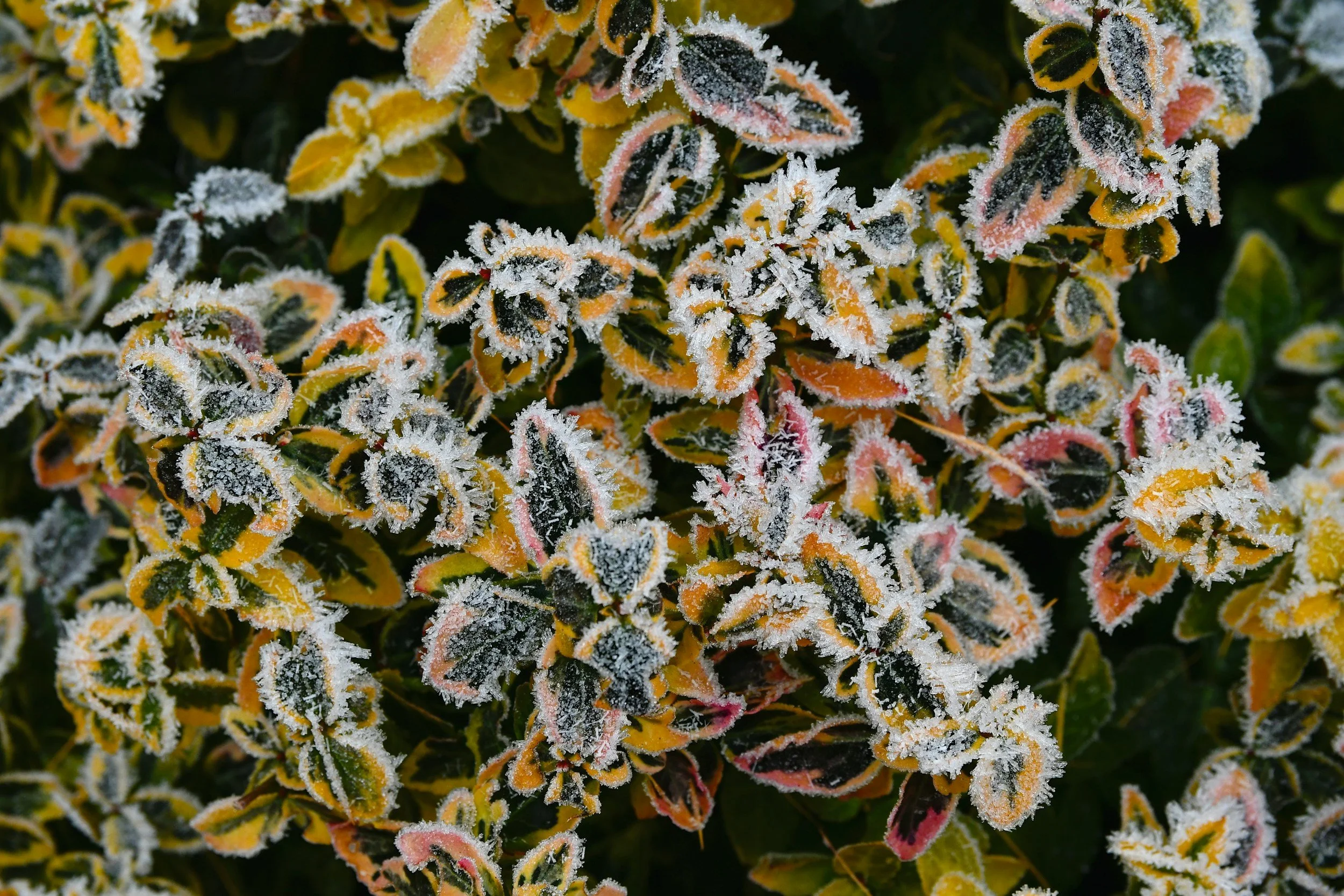
Gardens can be powerful spaces for forest bathing, especially during the colder months. They offer familiarity, shelter, and the opportunity to notice seasonal changes up close, plants resting, birds visiting, and the quiet rhythm of nature slowing down.
Garden-based Forest Bathing can feel particularly supportive if:
time or mobility is limited
colder weather makes travel less appealing
you’re new to the practice
How to Practice Forest Bathing in Winter
Forest bathing in winter looks different to other seasons, and that’s part of its value. It’s less about distance or duration, and more about depth of attention.
Here’s a gentle, realistic approach you can try:
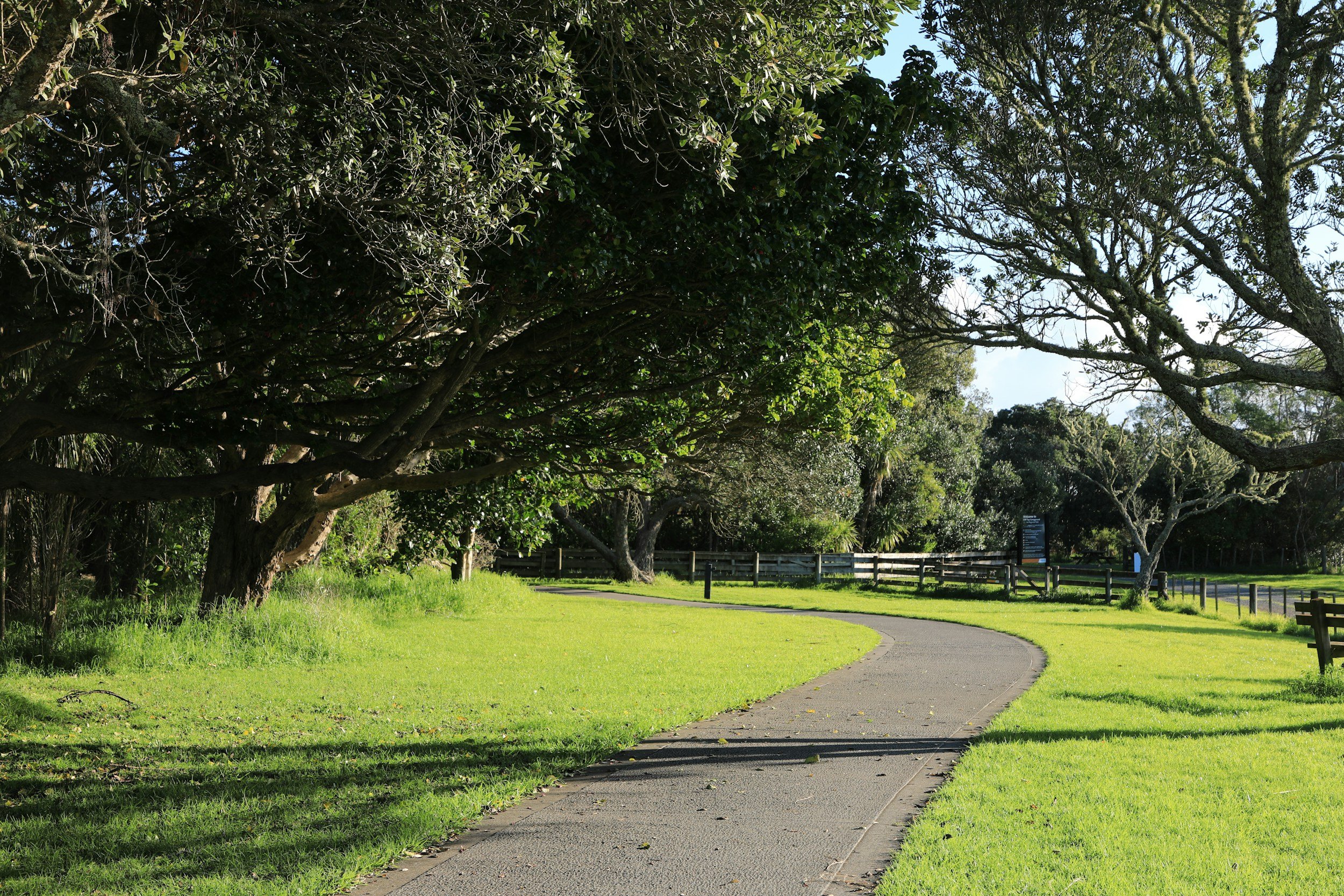
Choose a familiar, accessible place
A local wood, park, garden, or green space you feel comfortable returning to. Familiarity supports relaxation.

Dress for comfort, not endurance
Warm layers, waterproof footwear, gloves, and a hat make a big difference. When the body feels safe and warm, the mind can soften.
Keep it short and intentional
Even 10–30 minutes is enough. Forest Bathing isn’t about long walks, it’s about presence.
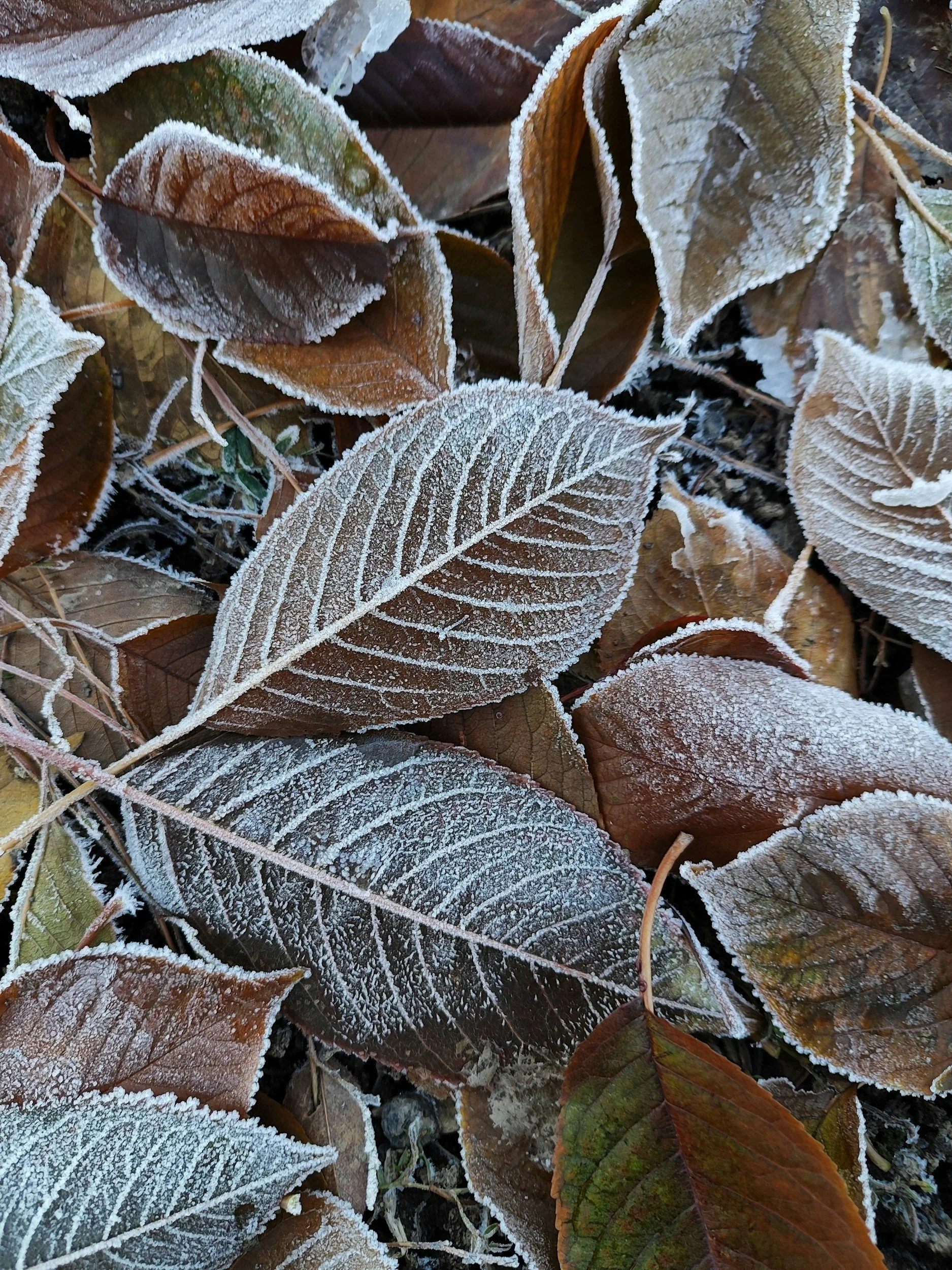
Move slowly and pause often
Let curiosity guide you rather than a route. Stop when something catches your attention.
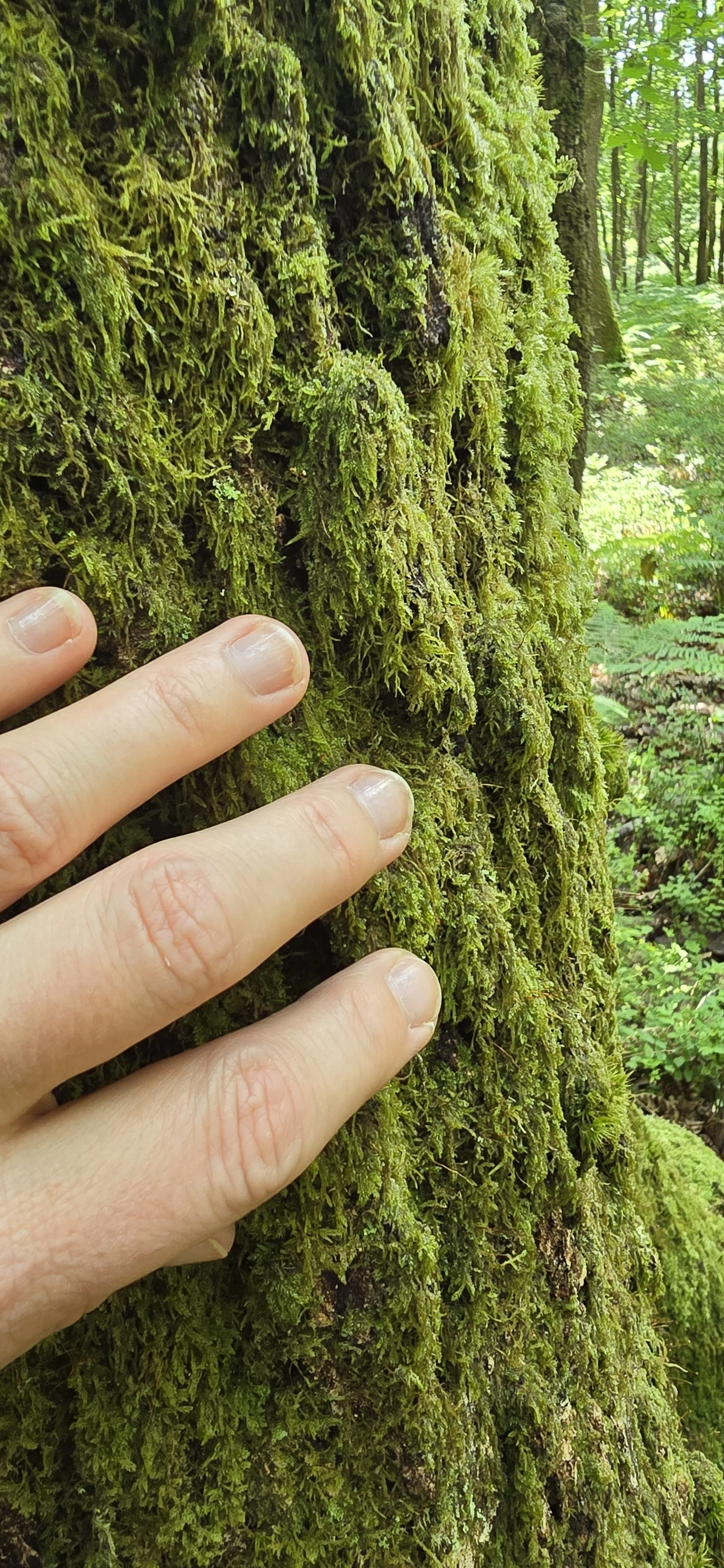
Engage the senses gently
Notice what you can see, hear, feel, or smell, without analysing or trying to name everything.
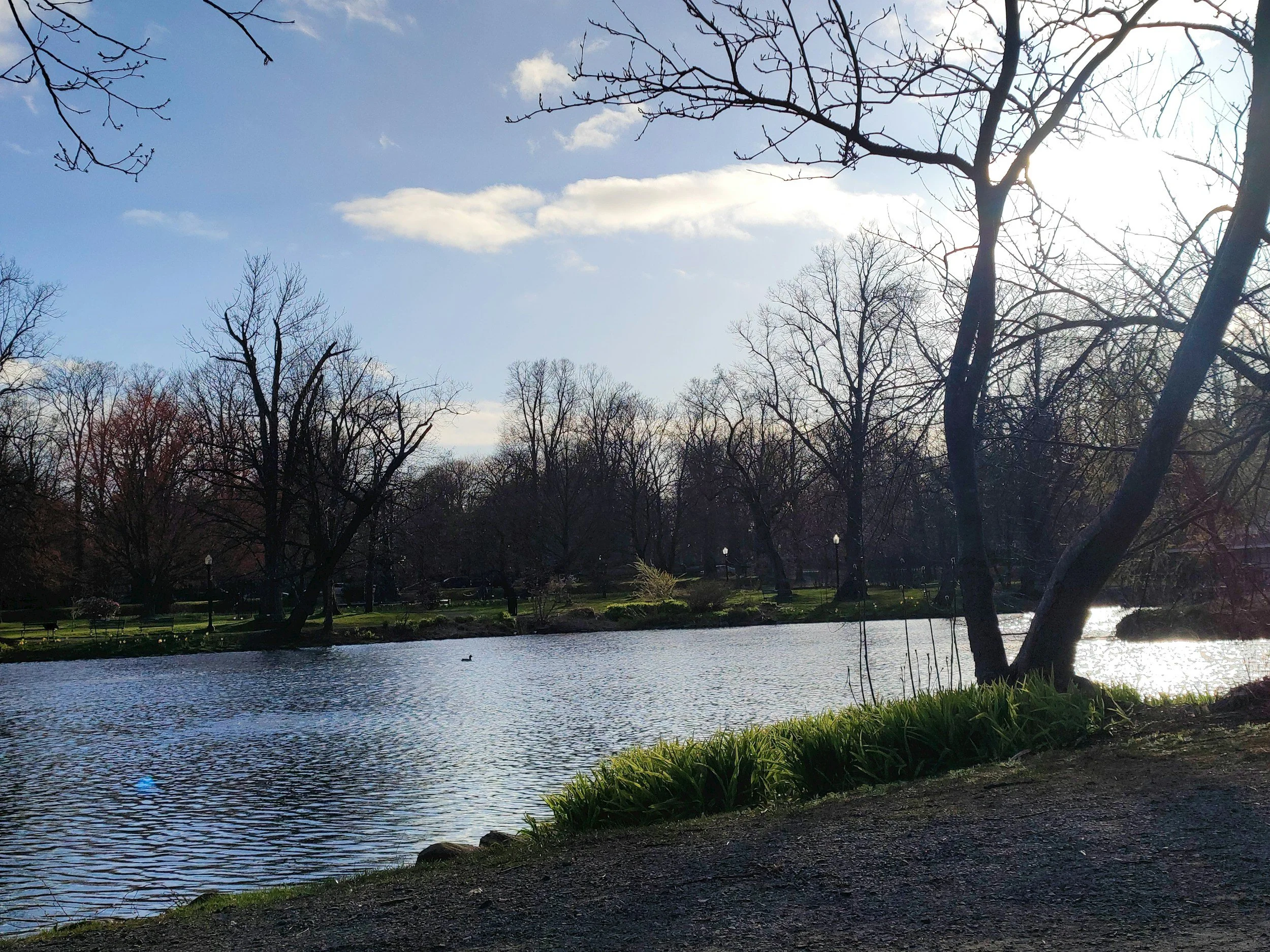
Include moments of stillness
Standing or sitting quietly allows the environment to come to you, supporting nervous system regulation.

End with warmth
A warm drink or a few moments indoors helps your body integrate the experience.
Preparing for Winter Forest Bathing: Removing the “It’s Too Cold” Barrier
Forest bathing should feel supportive, not challenging.
A few simple preparations can make all the difference:
choose daylight hours when it feels brightest and most comfortable
select sheltered spaces if it’s windy
allow flexibility, you can always return indoors earlier than planned
let comfort guide your choices, not rules
This practice is about listening to your body and responding with kindness.
Sharing the Experience
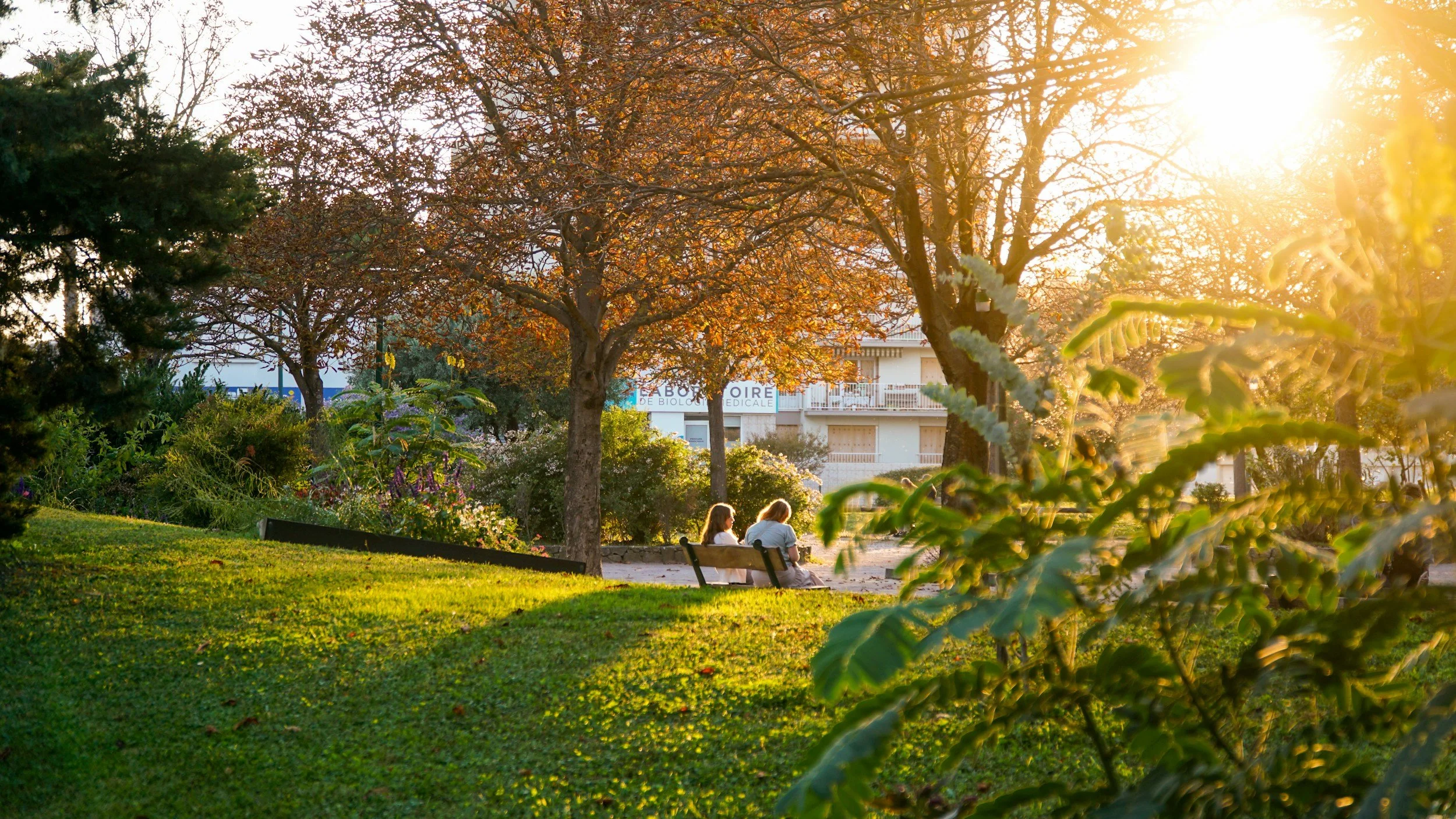
Forest bathing can be nourishing alone, but it can also be deeply supportive when shared.
You might:
invite a friend or loved one to join you
Bexplore a garden or green space together
choose a small, guided experience if you prefer more structure, guidance and support
If you’re interested in a private or small-group guided session, including garden-based experiences, please feel free to contact me. I do take requests.
A Gentle Invitation
Forest Bathing in winter isn’t about doing more, it’s about doing differently. It’s a way to honour the season’s call for rest while staying gently connected to nature and yourself.
While group woodland sessions with The Naturally Curious usually run between March and November, guided garden-based Forest Bathing sessions are available all year round, offering a simple and accessible way to experience mindful nature connection during the colder months.
If you’d like to:
explore guided garden experiences
request a private or shared session
or be the first to hear about upcoming group walks
You’re warmly invited to explore the website or join our community newsletter.
